How Cris Tales Uses Color to Tell Time
A look at how the game's split-timeline visuals shift palette and shading to signal past, present, and future without a single line of dialogue.
From El Gouna, Egypt, we dig into stylized art direction and anime-flavored titles that deserve a closer look beyond the trailer.
Explore ReviewsWe focus on anime-inspired titles and games with distinct stylized art direction — cel-shaded worlds, hand-painted environments, and character design that carries the same weight as gameplay in our reviews.
Both. We cover well-known anime-adjacent releases alongside smaller indie projects that experiment with visual style, since some of the most striking art direction comes from solo devs and small teams.
We look at how art style supports tone, pacing, and narrative, not just whether it looks nice in screenshots. Our critique pieces balance visual analysis with actual playtime impressions.
Our team writes from El Gouna, Egypt, but the games we cover span Japanese studios, Western indie devs, and everything stylistically adjacent to anime aesthetics worldwide.
Yes — reader suggestions shape a good part of our coverage calendar, especially for under-the-radar stylized art titles we might have missed.
A mix of familiar names and quieter gems we think deserve more attention.
A watercolor-driven platformer where the palette itself tells the emotional story — one of the clearest examples of art direction carrying narrative weight.
Pixel art with a painterly lighting system that turns a post-apocalyptic setting into something warm and hand-illustrated rather than bleak.
The obvious anchor for anime-style open worlds, still worth revisiting for how its cel-shaded rendering holds up across changing hardware.
A lesser-known Metroidvania with striking pixel-anime hybrid art that rarely gets the coverage its combat and world design deserve.
Flat-shaded, Moebius-inspired visuals that stand apart from typical anime aesthetics while still fitting our stylized-art focus.
A split-timeline JRPG whose hand-drawn frames and shifting color grading make it a favorite reference point for our art-critique pieces.
The angle we bring to every piece we publish
We treat visual direction as a core part of the review, not an afterthought tacked onto gameplay notes.
A good share of what we cover comes from community suggestions, keeping the lineup varied and less predictable.
Writing from El Gouna, Egypt gives us a distinct vantage point removed from the usual industry press cycle.
We don't limit coverage to major releases — small studio projects with strong stylized art get equal space here.
Browse our latest reviews and art-focused breakdowns before you decide what to play next.
Recent pieces from our reviewers in El Gouna
A look at how the game's split-timeline visuals shift palette and shading to signal past, present, and future without a single line of dialogue.
This Metroidvania blends pixel art with anime-inspired character sprites, and we think its combat design has gone under-discussed for too long.
Revisiting how the rendering style has aged across updates, and whether the art direction still holds up against newer competitors.
Not every stylized game leans anime — Sable's Moebius-inspired flat shading offers a useful contrast point for our ongoing art discussions.
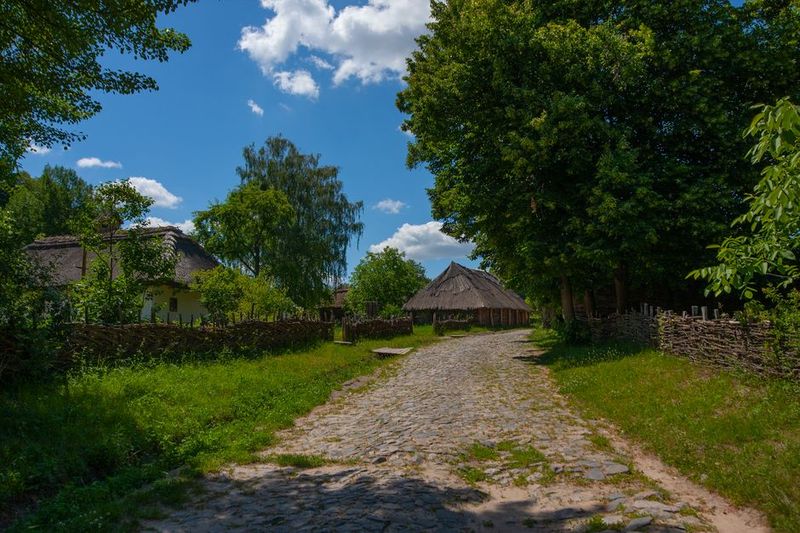
Breaking down how lighting choices in this pixel-art adventure shift the emotional register of otherwise grim locations.
I stumbled on the Cris Tales piece looking for a quick review and ended up reading three more articles about color grading. Didn't expect that from a gaming site.
Suggested Haak in a comment months ago and they actually covered it with real detail on the combat system, not just screenshots. Respect for that.
The Genshin retrospective was the first piece I've read that talked about the rendering pipeline instead of just the gacha side. Refreshing angle.